business [at] webideasole [dot] com

Loading...
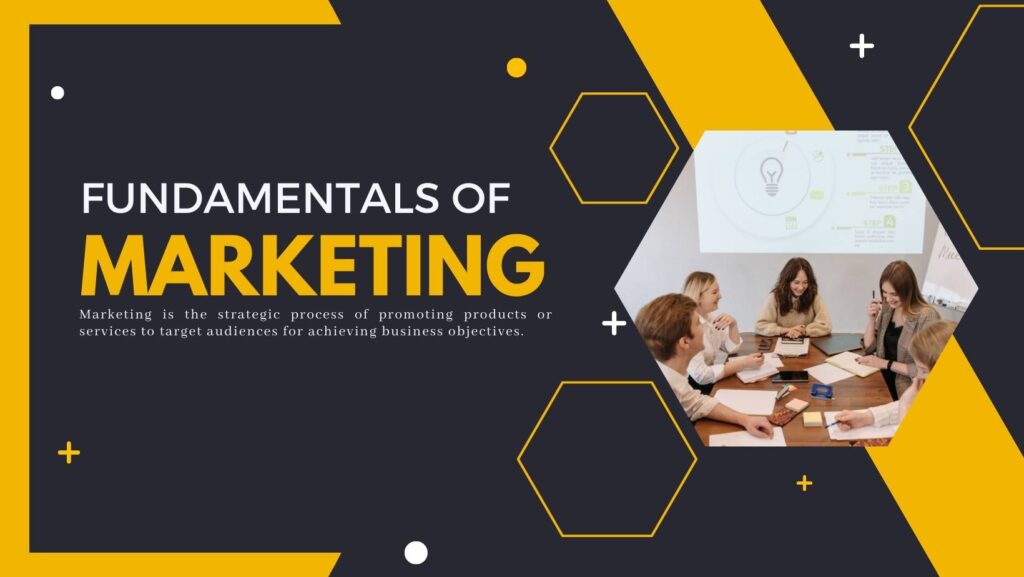
The process of introducing and promoting a product or service to people who might be interested in purchasing it is known as marketing. Your business may provide the highest-quality goods or services available in its sector, but if you do not engage in marketing, none of your potential customers will be aware of this fact.
“Marketing is the activity, set of institutions, and processes for creating, communicating, delivering, and exchanging offerings that have value for customers, clients, partners, and society at large.”
– American Marketing Association (AMA)
Marketing maximizes consumer satisfaction by exchanging goods and services between sellers and buyers. It involves multiple functions and affects other areas of an organization. Marketing functions mostly depend on consumers, market trends, and competing products.

STP helps marketers create marketing communication strategies and prioritize different propositions. Eventually, positioning helps in developing and delivering personalized, relevant messages to engage with different sets of audiences.
Segmentation is the process of dividing a miscellaneous market into distinct groups of consumers who have similar characteristics, needs, or behaviors. It helps marketers understand and cater to the diverse preferences and requirements of different customer segments. In this blog, I’ll walk you through the four main types of market segmentation:
There are also many other strategies we can use, including numerous variations on the four main types. Here are some more methods to consider.
Targeting involves selecting one or more segments as the primary focus of a company’s marketing efforts. Once segments are identified, the company evaluates their attractiveness and compatibility with its products, resources, and overall business objectives. The chosen target market represents the group of consumers or businesses that the company believes has the highest potential for engagement and profitability. By targeting specific segments, companies can concentrate their marketing resources on the most promising opportunities. This allows them to develop tailored marketing campaigns, reach the right audience with the right message, and optimize their marketing budget for maximum impact.
Positioning is the process of creating a distinct and favorable perception of a company, product, or brand in the minds of the target audience. It involves defining how the company wants to be perceived relative to its competitors and highlighting its unique value proposition.
The 4Ps of marketing, also known as the marketing mix, is a framework that helps companies formulate and implement effective marketing strategies. It consists of four key elements that are essential for creating, communicating, and delivering value to customers. Here’s an overview of each of the 4Ps:

In essence, the 4Ps provide a framework for companies to strategically manage their product offerings, pricing, distribution, and promotional efforts to effectively reach and satisfy their target market.
Understanding the fundamental principles of marketing is essential for success in today’s competitive landscape. By identifying target audiences, building strong brands, leveraging storytelling, embracing digital channels, and utilizing data-driven insights, businesses can achieve their marketing goals and stand out from the crowd. Mastering these fundamentals is the key to unlocking marketing excellence. We hope that this blog may help you gain the knowledge regarding the marketing you are looking for today.

Sr.SEO Executive

SEO Executive



Reach out, we’d love to hear from you!
BY Admin | Jun 30, 2025
.webp)
BY Admin | Jun 30, 2025

BY Admin | Jun 30, 2025